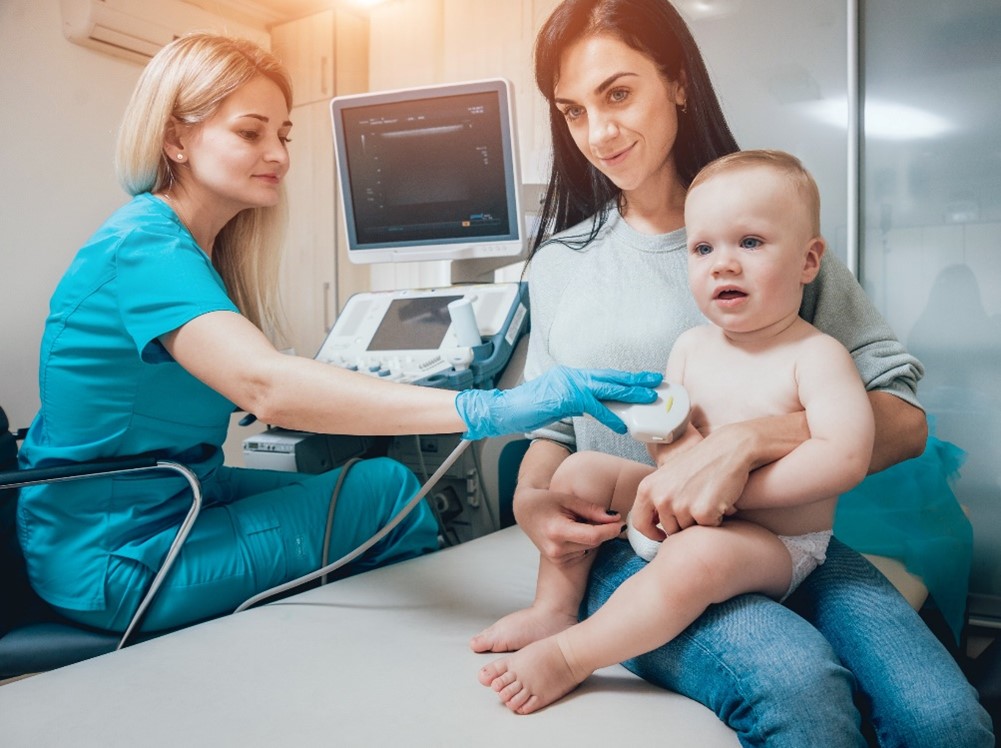
Although health care is one of the largest industries in the U.S. and nursing is its single largest sector, nurses are consistently in short supply across the nation. As an aging population strains the healthcare system and many nurses are currently nearing retirement, investing in nursing programs is critical to maintaining high standards of care. To address the long-standing national nurse shortage, increased funding should be directed toward nursing education and training programs.
International College of Health Sciences reviews what’s behind America’s pressing need for nurses and how and why we need to invest more resources in these essential healthcare workers.
Persistent Nursing Shortages
Although nursing consistently ranks among the top 5 most common jobs in the U.S., registered nurses are one of the most in-demand professionals nationwide.
Although most people associate nurses with hospitals and clinics, they are also critical in settings such as behavioral health centers, schools, universities, outpatient centers, homecare services and prisons, among others.
Although America’s nursing shortage predates the surge in COVID-19 cases, the rising number of patients in need of care during the pandemic made the need for more nurses exceedingly clear. With over 1 in 6 hospitals in critical need of workers, the higher pay rate associated with traveling led many nurses in low-income areas to leave their own under-resourced institutions short-staffed.
Other factors currently threatening the nursing sector relate to the country’s aging population. As the Baby Boomer generation advances in years, their increased healthcare needs are likely to place a strain on available resources. A similar issue stems from the high percentage of nurses expected to retire within the next five years.
In part due to the trauma, fear, and low morale the pandemic caused many healthcare workers, finding an adequate supply of new nurses to replace those aging out of their current positions may be challenging.

Insufficient Education Resources
Despite the demanding nature of the job, nursing is generally considered a gainful and fulfilling profession. In many ways, the nursing shortage perhaps better reflects the lack of training resources available to would-be nurses than the lack of student interest.
Becoming a nurse involves not only in-class instruction and coursework, but also learning through on-site mentorship. Increasing the number of new nurses thus depends on having enough experienced nurses to educate and train them.
In 2020, over 80,000 applicants were turned away from nursing school due to a shortage of teachers, clinical internships, and training equipment. For many registered nurses, filling the role of a professor, teacher or preceptor is financially unappealing.
Although becoming a professor or teacher requires a high level of education, these positions often pay less than bedside nursing and have fewer opportunities for upward mobility. On the other hand, preceptors are paid as bedside workers but unpaid for the additional work of training nursing students as they fulfill their clinical practice requirements.
Within nursing, there are a few educational routes to become qualified and registered, and the opportunities and pay rates increase with higher levels of education.
Compared to nurses with an associate’s degree in nursing (ADN), those who earn a bachelor of science in nursing (BSN) are typically paid more and have an advantage in pursuing higher nursing education, developing a specialty and reaching higher levels of management.
Studies have shown that the more extensive training involved in earning a BSN not only looks more attractive to employers, making nurses with a BSN more likely to be hired, but also improves patient outcomes as measured by 30-day patient mortality rates.
Diversity
Nursing is a relatively diverse profession and one of the few high-paying careers predominated by women, yet equal opportunity is still a concern.
Diversity among nursing staff is crucial for several compelling reasons, with patient comfort being a top priority. Nurses often serve in communities with diverse populations, creating a stronger bond with patients and fostering a higher level of trust and comfort. This enriching diversity enhances the overall healthcare experience for patients and reinforces a sense of inclusivity and understanding in healthcare settings.
To shrink the opportunity gap between BSN and ADN nurses, more funding should be channeled into nursing education programs. In light of the importance of human health and the benefits associated with both BSN nurses and nurses of diverse backgrounds, it is in Congress’s interests to invest in making BSN programs more accessible.
For many would-be nurses, barriers such as the inability to pay for a nursing education, difficulty traveling to nursing school or clinical placements and the low number of open enrollment spaces make it difficult to become registered.
To alleviate this problem, funds should be directed toward expanding the capacity of these programs across the country, providing them with more training equipment and raising instructors’ wages to incentivize filling these positions.

Importance
The COVID-19 pandemic brought the national nursing shortage, which was by no means a new issue, to greater public attention. The pandemic proved that the healthcare system was in no position to handle the high number of patients in need of attention. Also troubling is how the pandemic scared many nurses out of the field and dissuaded others from pursuing the career.
As it stands, the strain on healthcare staff is likely to increase again in the coming years on account of America’s aging population.
Further exacerbating the problem, a high proportion of currently-practicing nurses plan to retire within the next five years, which may lead to further shortages.
Given that the health of the population should naturally be among our leaders’ top priorities, allocating funds to improving and increasing healthcare training programs is not only a wise investment, but critical to the nation’s future.
Conclusion
Nurses are among the most important healthcare workers and play a critical role in maintaining high standards of care in hospitals, clinics, nursing homes and countless other settings. As the U.S. faces an aging population and a shortage of qualified nurses, funding new nursing programs that focus on diversity and specialization are key to building a more resilient healthcare system.