Monthly Archive: September 2023

Why Nurses are the Heart of Healthcare

International College of Health Sciences

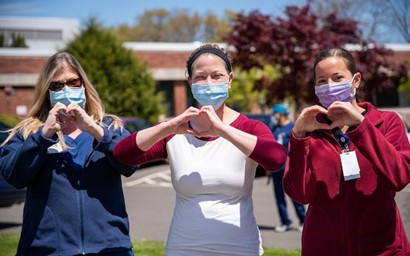
The COVID-19 pandemic led to a renewed appreciation for first responders, as Americans gathered on their front stoops every evening in the early coronavirus days to cheer for the heroes who were keeping our families safe – sometimes even to the detriment of their own.

Among those deserving of celebration were nurses. In fact, nurses have long been the backbone of many medical organizations, even though the less informed may look down on nurses in comparison with doctors, surgeons, or others with more “advanced” degrees. The International College of Health Sciences elaborates more below on why nurses are the heart of healthcare.

Nurses are an Integral Part of the Healthcare System

Nurses make up an enormous portion of our healthcare system. The International Council of Nurses notes that they account for nearly 50% of the healthcare workforce worldwide and provide almost 80% of all hands-on care. Without this integral delivery of support, the healthcare system would come to a screeching halt. While doctors in hospitals may spend mere minutes with a patient, it is the nurses who are there constantly monitoring the sick, sharing information, and seeing care through from beginning to end.

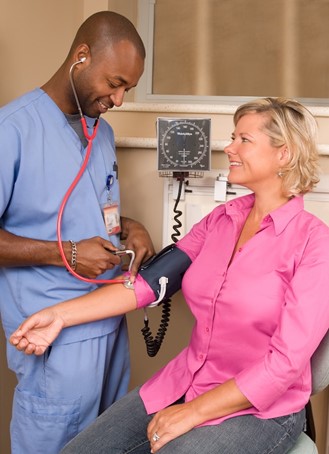
Most doctors specialize, but nurses tend to be jacks and jills of all trades, able to be all things to all people and able to shift gears on the fly. They advocate for patients, provide education, administer beside care, battle disease through cleanliness and disinfectant regimens, assist in surgeries, administer medicine, and may even diagnose an ailment based on their in-depth observations, all while providing mental and emotional support with a calm, friendly demeanor. They are often the first person a patient sees when they enter a healthcare facility, and the last they see when they leave; therefore, nurses can truly set the tone for the entire care process.

Providing Support to Patients and Families

Nurses provide mental and emotional support not only to patients, but also to their families. Often, families form a bond with the nurses who are caring for their sick or injured loved on and come to rely on the nurses to relay the bulk of critical information, updates, and education on the ailment and treatment. Especially in a hospital setting, it’s important to have a human connection during what can feel like an isolating and scary situation. That connection comes from the nursing staff.
International College of Health Sciences

Nurses Help in the Home

When it’s time for patients to transition from care in a hospital or office to at-home care, nurses are also right there leading the charge. This can potentially be a fraught and more serious situation, a result of a need for long-term recovery or even hospice / end-of-life care, all taking place in one’s own place of residence which, while more comfortable, may not be properly equipped to provide the ideal environment for healing and rest. Nurses are a phenomenal resource who can train family members or at-home caregivers on proper techniques and treatments and advise on home set up and equipment. Some nurses will even visit the patient to provide treatment at home.

In Conclusion

At the core of healthcare, nurses are the compassionate pillars who offer vital emotional support, skilled care, educational guidance, and fierce advocacy, extending their unwavering dedication from clinical settings to the very heart of homes.


Nursing Shortage Stats and Solutions

International College of Health Sciences

In the corridors of hospitals and clinics, nurses stand as the compassionate guardians of health and healing. From the pioneering days of Florence Nightingale to the present, nursing has blossomed into an esteemed profession.

Yet, in the midst of this noble calling, a pressing concern has emerged—a shortage of these dedicated caregivers. The International College of Health Sciences delves into the heart of this issue, unravelling the intricate reasons behind this crucial gap in healthcare.

Understanding the Reasons Behind the Shortage

There are numerous reasons why there is a nursing shortage, but the main reasons are burnout (which in turn leads to high turnover), a toxic work environment, and a lack of work life balance.

Burnout

Burnout is defined as a state of emotional, physical, and mental exhaustion caused by excessive and prolonged stress. It has become a big issue with nurses, due to a variety of circumstances.

• COVID-19

Feeling stressed and burnt out from work is a very real reality for many nurses, especially after the COVID-19 pandemic. Hospitals were overwhelmed and many nurses experienced both verbal and physical abuse from patients.

On top of working longer hours to deal with the increase of sick patients, many nurses got sick themselves, which put more of a strain on the number of available people to work.

• Aging Population

Technology and better healthcare has been a blessing in that more of the human population can live longer; however, with longer lives comes an increased risk of developing more long-term diseases. Nurses will often have to treat patients that have several different diseases, which is not only more complicated but also more stressful.

By the year 2029, there will be a 73% increase in U.S. adults aged 65 and older, which could strain the already struggling nurseforce and medical field.

• Aging Nurses

On a similar note, there are more nurses that are reaching retirement age as well. Some may stay longer, but many will not and decide to leave the workforce. This means there will be less nurses to train others as well as take care of patients.

Unsupportive Work Environment

Within the realm of nursing, job satisfaction has hit a historical low. The profession, inherently demanding, bears the added weight of enduring emotional, verbal, and even physical abuse from patients and colleagues alike.

Hospitals, while places of healing, can also be breeding grounds for fear and confusion, causing individuals to inadvertently unleash their frustrations on the very caretakers striving to ease their discomfort. This confluence of challenges forms a crucible that nurses navigate daily, demanding an even greater level of resilience and compassion from these unsung heroes of healthcare.

Work Life Balance

A buzzword nowadays is work-life balance, meaning that an individual is able to prioritize career demands with personal life demands. Nursing requires long hours of work, sometimes through the middle of the night, so it can be hard to take care of family, friends, and having fun if you’re working or too tired.

International College of Health Sciences

What Can Be Done About the Nursing Shortage

In the face of the pressing nursing shortage, what proactive steps can be taken? While no single solution offers a foolproof fix, here are three compelling suggestions worth considering.

Staffing Ratios

One of the biggest solutions is staffing ratios. Nurses will often feel overwhelmed because they have to take on too many patients. With staffing ratios, there will be a maximum number of patients that a nurse can take on.

This is easier said than done, of course. If there is a high demand for nurses, then hospitals will have no other choice but to assign patients to them.

Technology

Additionally, incorporating more technology into hospitals and other healthcare buildings is a must. Technology can take on some of the more tedious work that nurses have to do, which may help with workload. This will depend on what kind of technology is available, but there are new inventions every day.

Become a Nurse

Becoming a nurse and pursuing formal education in the field stands as a powerful antidote to the prevailing nursing shortage. By joining the ranks of healthcare professionals, individuals not only alleviate the strain on the system but also contribute to the critical demand for skilled and compassionate caregivers.

While the journey may be rigorous, the rewards are immeasurable. Nurses play an indispensable role in the healthcare ecosystem, offering solace, expertise, and crucial care to those in need. Their impact is felt not only in the physical realm but also in the profound emotional support they provide to patients and their families.

Conclusion

Despite the challenges that come with the territory, the nursing profession remains a beacon of hope and healing. In moments of vulnerability and distress, nurses emerge as pillars of strength, exemplifying the unwavering dedication that defines their noble calling.
As the demand for healthcare continues to surge, the need for passionate and skilled nurses has never been more evident. In choosing this path, one not only embarks on a fulfilling career but also steps up as a vital force in meeting the healthcare needs of our communities.