Monthly Archive: October 2023

Navigating the Path to Nursing Excellence

In the ever-evolving landscape of healthcare, nurses stand as the linchpin, providing essential care and compassion to patients across the United States. On the road to this noble profession, aspiring nurses embark on a journey of education, training, and personal growth. The International College of Health Sciences discusses various nursing programs available, the educational journey through nursing school, and the manifold benefits of a nursing career in the US.

A Multifaceted Approach: Degrees in Nursing

Associate Degree in Nursing (ADN)

The ADN program offers a comprehensive foundation in nursing skills and knowledge. It typically spans two to three years and is available in community colleges and some universities.

Bachelor of Science in Nursing (BSN)

The BSN program provides a more extensive education, covering not only clinical skills but also leadership, critical thinking, and research.

It typically spans four years and is offered by the majority of universities and colleges in the US.

Accelerated BSN Programs

Tailored for students with non-nursing bachelor’s degrees, these intensive programs offer a streamlined path to a nursing career in as little as 12-18 months.

Master of Science in Nursing (MSN)

Designed for nurses seeking advanced practice roles or leadership positions, MSN programs offer specialized tracks like Nurse Practitioner, Nurse Educator, and Nurse Administrator.

Navigating Nursing School: A Transformative Journey

Rigorous Academics and Clinical Training

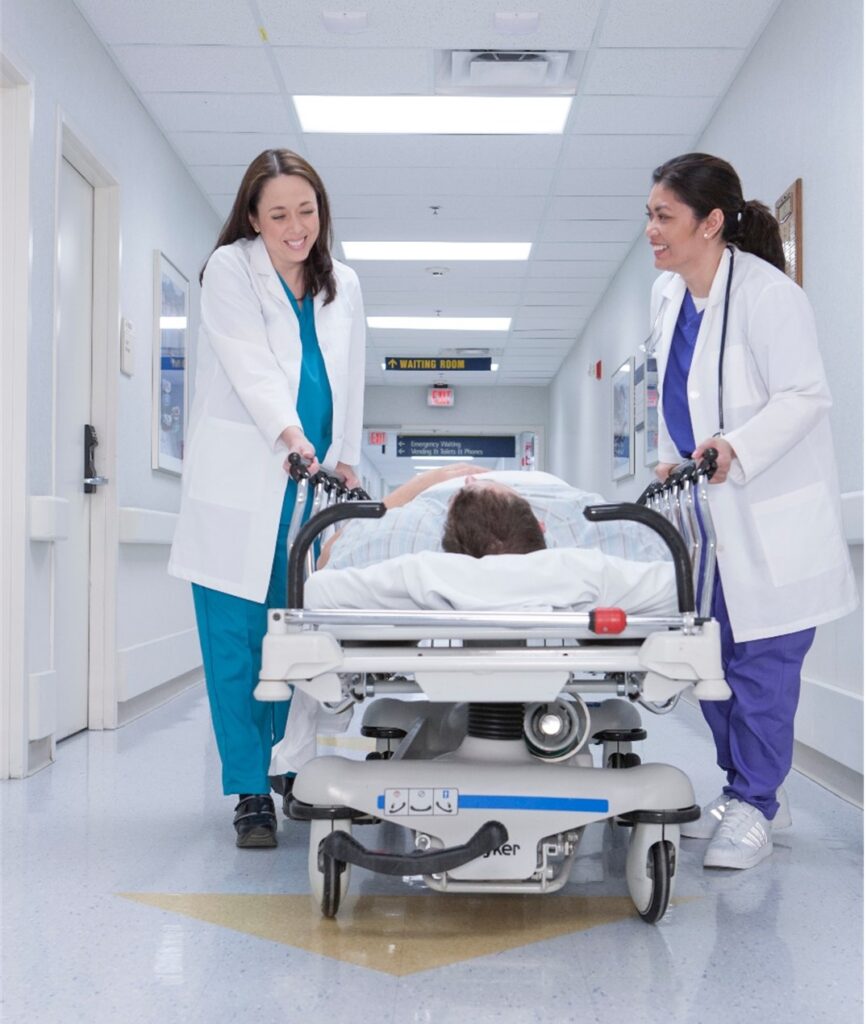
Nursing students engage in a rigorous curriculum that encompasses anatomy, physiology, pharmacology, and clinical skills. Hands-on training in healthcare settings allows students to apply theoretical knowledge in real-world scenarios.

Developing Critical Thinking and Problem-Solving Skills

Nursing school hones the ability to think on one’s feet, make quick decisions, and adapt to dynamic healthcare environments.
International College of Health Sciences

Cultivating Compassion and Empathy

Interactions with patients and their families foster a deep sense of empathy and compassion, vital traits in providing patient-centered care.

Building a Strong Professional Network

Nursing school offers opportunities for students to connect with experienced faculty, fellow students, and healthcare professionals, laying the foundation for a supportive professional network.

The Fulfillment of a Nursing Career in the US

Diverse Career Opportunities

Nurses can choose from a wide array of specialties, including pediatrics, geriatrics, critical care, obstetrics, and more.

The demand for skilled nurses spans hospitals, clinics, long-term care facilities, and even non-traditional settings like schools and corporate wellness programs.

Competitive Compensation and Benefits

Nurses enjoy competitive salaries and a comprehensive benefits package that often includes health insurance, retirement plans, and paid time off.

Making a Difference in Patients’ Lives

Nurses have a direct impact on patient outcomes, providing comfort, support, and life-saving care to those in need.

Lifelong Learning and Growth

The nursing profession encourages continuous learning and professional development, with opportunities for advanced degrees, certifications, and specialized training.

Conclusion

Embarking on a career in nursing is a journey marked by education, dedication, and the fulfillment of serving others. With a range of programs and educational pathways, aspiring nurses have the opportunity to make a positive impact on healthcare in the United States. Through their dedication, nurses not only improve the lives of their patients but also contribute to the ongoing advancement of the healthcare industry as a whole.
Patient-Centered Care in Diagnostic Sonography

Excellent health care begins with good patient interactions.

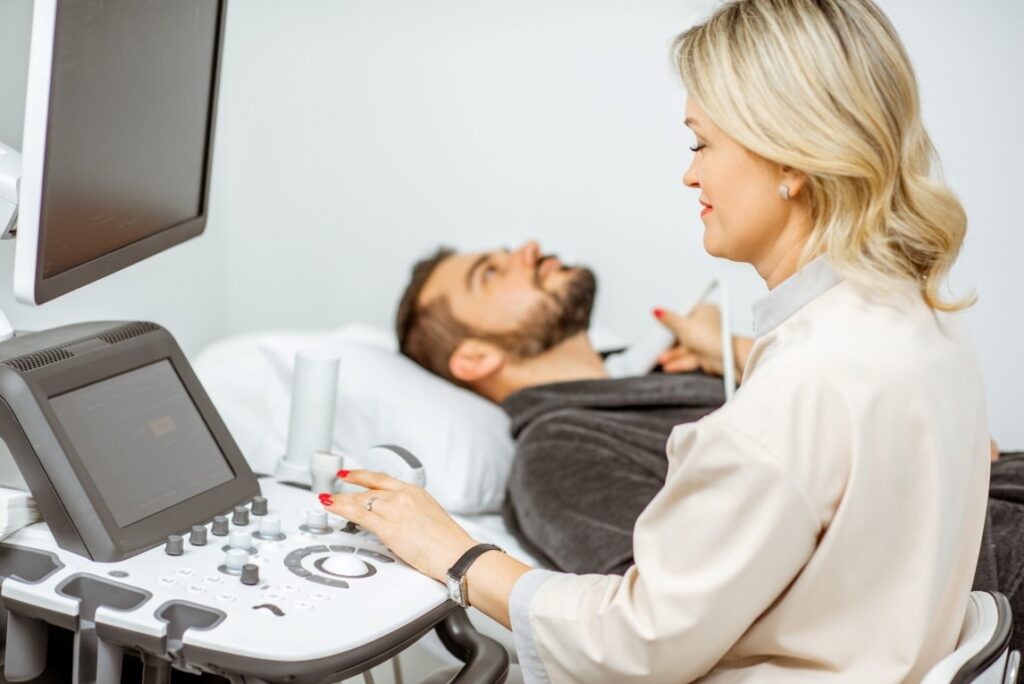
In the field of diagnostic sonography, patient comfort and communication are as important as the technical aspects of medical imaging.

“Ultrasound imaging is not a passive push-button activity but rather an interactive process involving the sonographer, patient, transducer, instrument, and sonologist.” (Sonography Principles and Instruments, Frederick W. Kremkau)

A good initial interaction between a patient and a healthcare provider is key to any field in medical care. The quality of interaction and the depth of communication are vital in providing accurate diagnoses and ensuring a positive healthcare experience.

International College of Health Sciences highlights the importance of patient-centered care in the field of diagnostic sonography, providing valuable tips to enhance patient interactions in healthcare.

Understanding Patient Comfort and Communication

Patient Comfort: In diagnostic sonography, providing patients with physical and emotional ease during imaging procedures is essential. The sonographer is responsible for creating a calming and positive environment to help reduce anxiety and minimize physical discomfort in patients. The more comfortable the patient, the better the quality of imaging results.

Patient Communication: Effective communication is also vital in medical imaging. This involves answering questions, explaining procedures in layman’s terms, and responding to concerns in a clear and empathic way. Positive patient interaction helps build trust and improve cooperation, leading to clear imaging results.

Caring Beyond Imaging: Strategies to Enhance Patient Interactions

Create a Relaxing Environment

To help the patient feel more at ease, the procedure area should be clean, calming, and comfortable. A quiet surrounding with soft lighting and a comfortable temperature can contribute to the serene feel of the space.

Practice Active Listening

Listen attentively to any questions or concerns from the patient – this shows respect, helps build trust, and provides the patient with assurance that their voice is heard and valued, fostering a stronger patient-provider partnership.

Explain the Procedure

The sonographer should explain the entire procedure to the patient while getting prepared. Before the procedure begins, run every step of the procedure to the patient in clear and simple terms. Medical jargon should be avoided as much as possible.

Knowing what to expect will help reduce the patient’s anxiety and uncertainty.

Provide Distractions

To avoid anxiousness of a patient, simple distractions such as visual aids or relaxing music can help them feel more comfortable throughout the procedure, especially to younger patients.

International College of Health Sciences

Be Aware of Body Language

Non-verbal communication is just as important. How the sonographer acts can also impact the way a patient feels. When appropriate, use eye contact when speaking to the patient and use open body language to show attentiveness.

When sonographers prioritize patient comfort and communication, they are not only improving the quality of their work but also enhancing the quality of healthcare delivery. By following the strategies above, providers pave the way for a healthcare system where trust and healing combine to shape a more compassionate future for the industry.

Conclusion

In essence, Diagnostic Sonography programs go beyond technical proficiency; they instill in students a profound understanding of patient care. This not only ensures accurate diagnoses but also fosters an environment of comfort and trust.

By prioritizing the well-being and ease of patients, these programs produce skilled professionals who make a lasting impact on healthcare. Through their compassionate approach, Diagnostic Sonographers become not just practitioners, but invaluable partners in the journey to health and well-being for those they serve. This commitment to both technical excellence and empathetic care exemplifies the true essence of diagnostic sonography education.